
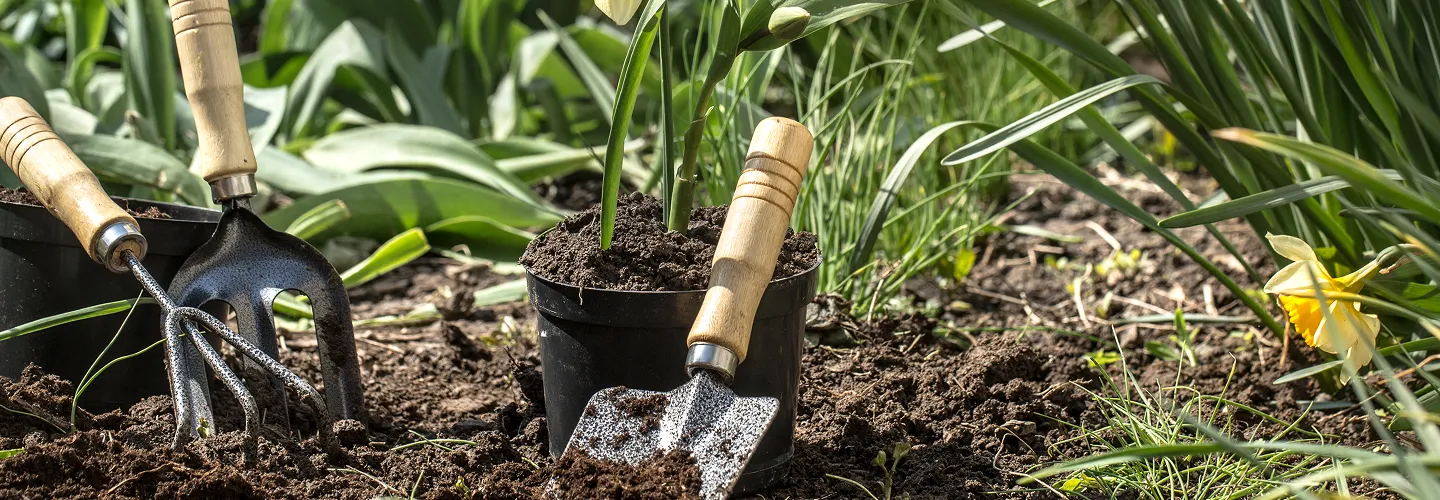
Fort Myers Beach Mulching Services
Choose our mulching services for expert care that enriches your soil, conserves moisture, and delivers a polished, weed-free look—ensuring your landscape thrives year-round with minimal maintenance.
Get a Free QuoteOur Fort Myers Beach Landscaping & Yard Care Services
When to Schedule Mulching in Fort Myers Beach, Florida – Seasonal Guide
In Fort Myers Beach, the best time to schedule mulching is typically in late winter through early spring, just before the region’s rainy season begins. This timing allows mulch to help retain soil moisture during the hot, humid summer months and provides a protective barrier against weed growth. The unique subtropical climate of Fort Myers Beach, with its mild winters and high summer humidity, means that mulching can also help regulate soil temperature and prevent erosion, especially in neighborhoods like Estero Island and near Bowditch Point Park where sandy soils are common.
Local environmental factors such as the absence of hard frost, the risk of summer drought, and the prevalence of shade from mature palms and oaks all play a role in determining the optimal mulching schedule. Homeowners should also consider municipal guidelines and local best practices, which can be found on resources like the Town of Sudbury’s website, to ensure compliance and environmental stewardship.
Local Factors to Consider for Mulching in Fort Myers Beach
- Tree density and canopy coverage (e.g., in areas like Times Square or San Carlos Island)
- Soil type and drainage, especially in coastal or low-lying properties
- Seasonal precipitation patterns and risk of drought
- Municipal restrictions or neighborhood association guidelines
- Terrain slope and risk of erosion
- Proximity to saltwater and potential for salt spray
- Timing of landscape maintenance cycles
Benefits of Mulching in Fort Myers Beach
Enhanced Soil Moisture Retention
Weed Growth Suppression
Improved Landscape Appearance
Temperature Regulation for Plant Roots
Reduced Soil Erosion
Nutrient-Rich Soil Enrichment
Fort Myers Beach Mulching Types

Organic Mulch
-
Inorganic Mulch
-
Pine Bark Mulch
-
Cypress Mulch
-
Rubber Mulch
-
Stone Mulch
-
Cedar Mulch
Our Mulching Process
Site Preparation
Weed Removal
Mulch Selection
Mulch Application
Final Inspection
Why Choose Fort Myers Beach Landscape Services
-
Fort Myers Beach Homeowners Trust Us
-
Expert Lawn Maintenance
-
Reliable Irrigation Solutions
-
Competitive Pricing
-
Professional Team
-
Sustainable Landscaping Practices
-
Personalized Service
Coordinating Mulching Services with Fort Myers Beach Public Works and Stormwater Programs
Mulching on Fort Myers Beach properties intersects directly with the town's stormwater infrastructure and public works operations. Because the island community relies on a network of swales, drainage inlets, and outfalls that discharge into Estero Bay and the Gulf of Mexico, loose or improperly placed mulch can migrate into these systems during heavy rain events. Property owners and managers should coordinate with the Town of Fort Myers Beach Public Works Department before placing mulch in areas adjacent to rights-of-way, drainage swales, or shoreline buffers. Bulk mulch deliveries should be staged away from curb inlets and stormwater conveyances to prevent material from washing into the drainage network.
- Confirm that mulch placement does not obstruct town-maintained swales or drainage easements
- Stage bulk mulch deliveries on impervious surfaces away from storm-drain inlets
- Avoid placing mulch within shoreline buffer zones without verifying town requirements
- Contact Public Works regarding vegetative debris disposal rules for old mulch removal
Town of Fort Myers Beach Public Works
Official Website: Fort Myers Beach Public Works
Residents should also be aware that the town's Water Quality program monitors coastal runoff and pollution prevention, making proper mulch containment a matter of environmental compliance rather than simple aesthetics.
How Fort Myers Beach's Coastal Sandy Soils and Salt Exposure Affect Mulching
Fort Myers Beach sits within USDA Hardiness Zone 10b on a barrier island in the Gulf Coast Florida region, where conditions present distinct challenges for mulch performance. The predominant soils are sandy coastal types with very low organic content, rapid drainage, and minimal nutrient-holding capacity. These characteristics mean that mulch serves a critical role in building organic matter over time, moderating root-zone temperatures, and slowing moisture loss between irrigation cycles. According to the USDA Plant Hardiness Zone Map, the area's subtropical climate produces intense summer heat, high humidity, and a pronounced wet season from June through October.
- Sandy, fast-draining soils lose moisture rapidly, making mulch essential for water retention around plantings
- Salt spray exposure degrades certain mulch types faster than inland applications; cypress and melaleuca mulch tend to resist salt breakdown better than dyed hardwood products
- High water table conditions on portions of the island can cause mulch to float or shift during saturated-soil events
- Intense UV radiation accelerates color fading and decomposition, requiring more frequent mulch replenishment than inland Gulf Coast locations
- Wet-season downpours can displace lightweight mulch from beds into adjacent turf, walkways, and drainage paths
The USDA Web Soil Survey confirms that barrier-island soils in this area are predominantly Beaches-Urban land complexes with extremely limited water-holding capacity.
Navigating Fort Myers Beach's Environmental and Stormwater Regulations for Mulching
Mulching activities on Fort Myers Beach fall under several layers of environmental oversight due to the island's ecological sensitivity and proximity to Estero Bay Aquatic Preserve. The Florida DEP NPDES Stormwater Program governs municipal stormwater discharges, and the town operates under MS4 permit obligations that require pollutant-source controls—including landscape material management. Mulch that enters stormwater conveyances can contribute to nutrient loading, turbidity, and organic debris accumulation in receiving waters.
- Properties adjacent to mangrove buffers, wetlands, or Estero Bay shoreline should verify setback and buffer requirements with the town's Environmental Sciences division before altering landscape beds
- Dyed mulch products should be confirmed as compliant with EPA Clean Water Act standards, as colorant runoff into coastal waters raises water-quality concerns
- Commercial landscape contractors performing mulch installation on development sites may need to demonstrate erosion and sediment control measures under the town's stormwater management requirements
- The town's zoning code may impose landscape maintenance standards that include minimum mulch coverage in required planting areas; verify current requirements through Community Development
Town of Fort Myers Beach Environmental Sciences
Official Website: Fort Myers Beach Environmental Sciences
Town of Fort Myers Beach Community Development
Official Website: Fort Myers Beach Community Development
Timing and Methods for Mulching Around Fort Myers Beach's Wet Season and Heat Cycles
Professional mulching on Fort Myers Beach should be timed and executed with the island's seasonal patterns in mind. The optimal primary mulching window falls in late March through May, after the dry season has reduced soil saturation but before the heaviest summer rains begin displacing freshly applied material. A secondary application in late October or November, after wet-season intensity subsides, helps replenish beds heading into the cooler dry months.
- Apply organic mulch at a depth of two to three inches around shrubs, palms, and ornamental beds; avoid exceeding three inches, as excessive depth can trap moisture against stems and promote fungal issues in humid conditions
- Maintain a mulch-free zone of three to four inches around the base of tree trunks and shrub stems to prevent crown rot, which is accelerated by Fort Myers Beach's high humidity
- Use heavier mulch products such as pine bark nuggets or eucalyptus mulch in sloped beds or areas exposed to wind-driven rain to reduce displacement
- Rake and redistribute existing mulch before adding new material to prevent compacted, water-repellent layers from forming
- On properties with drip irrigation or micro-spray emitters, confirm that mulch does not bury or obstruct emitter heads, as this reduces irrigation efficiency and can promote root disease
The UF/IFAS Gardening Solutions resource on protecting Florida's water resources emphasizes that properly maintained mulch reduces irrigation demand and limits nutrient runoff—both critical considerations on a barrier island surrounded by sensitive marine habitat.
What Neighborhoods Do We Serve Throughout Fort Myers Beach, FL?
- Times Square / Downtown District — This high-traffic commercial and mixed-use core features compact lots with ornamental beds that require frequent mulch replenishment due to foot traffic, reflected heat from pavement, and salt-laden wind exposure along the beachfront.
- Mid-Island Residential Area — Properties along Estero Boulevard's central corridor often have mature tropical plantings with established bed areas where mulch depth management and drainage-path clearance are ongoing maintenance priorities.
- Bay Beach / South End — Canal-adjacent and bay-facing lots in this area demand careful mulch containment to prevent material migration into tidal waterways and mangrove buffer zones during storm events.
- Laguna Shores — This waterfront neighborhood features properties with direct canal access where mulch placement near seawalls and dock areas requires attention to tidal flooding and wind displacement.
- Lenell Road / North End — Residential lots near Bowditch Point Park and the northern tip of the island experience heightened salt spray and wind exposure, accelerating mulch decomposition and requiring salt-tolerant product selection.
- Chapel by the Sea / Central Residential — Established single-family properties in this area typically feature mature shade canopy from sea grape and coconut palms, creating conditions where mulch helps suppress weed growth in low-light planting beds.