
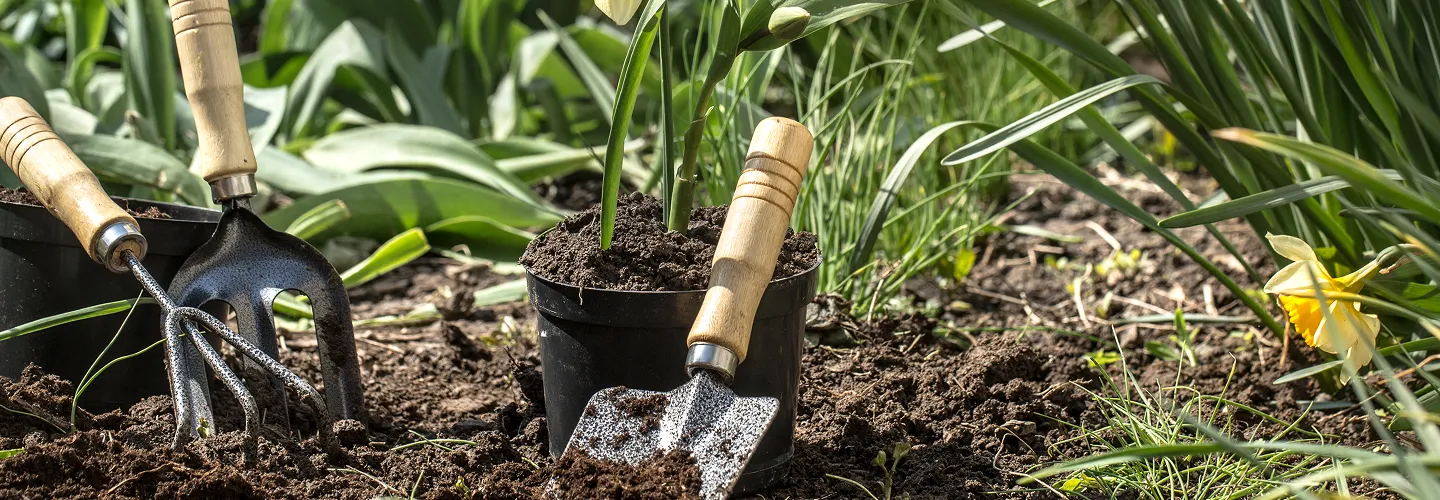
Fort Myers Beach Flower Planting Services
Choose our Flower Planting services for expert design, premium plants, and lasting color that transforms your outdoor space into a beautiful, inviting retreat.
Get a Free QuoteOur Fort Myers Beach Landscaping & Yard Care Services
When to Schedule Flower Planting in Fort Myers Beach, Florida – Seasonal Guide
Flower planting in Fort Myers Beach is best scheduled with careful attention to our unique subtropical climate and the specific needs of local landscapes. The ideal planting windows are typically late fall through early spring, when temperatures are milder and rainfall is more predictable. This timing helps new blooms establish strong roots before the intense summer heat and humidity arrive. Neighborhoods near Times Square and Bowditch Point Park, for example, benefit from coastal breezes that can moderate temperature extremes, but also face challenges like sandy soils and occasional salt spray.
Local environmental factors play a significant role in determining the best time for planting. Fort Myers Beach rarely experiences frost, but sudden cold snaps can still occur in January or February, so monitoring local weather forecasts is essential. Areas with dense shade from mature palms or oaks, such as those near Matanzas Pass Preserve, may require different flower varieties or adjusted planting schedules. Soil composition, drainage, and even municipal landscaping guidelines can all influence your planting plans. For more detailed information on local regulations and best practices, visit the official town website.
Local Factors to Consider for Flower Planting in Fort Myers Beach
- Proximity to saltwater and risk of salt spray
- Soil type (sandy, well-drained, or compacted)
- Shade coverage from established trees
- Average rainfall and seasonal drought risk
- Neighborhood-specific municipal landscaping restrictions
- Terrain and elevation (especially in flood-prone areas)
- Timing of local events or maintenance schedules
Benefits of Flower Planting in Fort Myers Beach
Expert Local Knowledge
Customized Landscape Designs
Seasonal Plant Selection
Enhanced Curb Appeal
Eco-Friendly Practices
Reliable Maintenance Services
Fort Myers Beach Flower Planting Types

Annual Flower Beds
Seasonal color displays using vibrant annuals for maximum visual impact.
-
Perennial Gardens
Long-lasting blooms that return year after year for sustainable beauty.
-
Native Wildflower Plantings
Eco-friendly selections that thrive in local conditions and support pollinators.
-
Tropical Flower Borders
Lush, exotic plantings ideal for the Fort Myers Beach climate.
-
Container Flower Arrangements
Versatile and movable flower displays for patios and entryways.
-
Butterfly & Pollinator Gardens
Specialized plantings designed to attract butterflies and beneficial insects.
Our Flower Planting Process
Site Evaluation
Soil Preparation
Flower Selection
Planting
Watering and Mulching
Why Choose Fort Myers Beach Landscape Services
-
Fort Myers Beach Homeowners Trust Us
-
Expert Lawn Maintenance
-
Reliable Irrigation Solutions
-
Competitive Pricing
-
Professional Team
-
Sustainable Landscaping Practices
-
Personalized Service
Coordinating Flower Planting Projects with Fort Myers Beach Municipal Programs
Flower planting on Fort Myers Beach properties requires awareness of the town's development review processes and environmental protection priorities. Because the island is a narrow barrier island community within Lee County, landscaping projects—particularly those involving soil disturbance, irrigation modifications, or planting near stormwater infrastructure—may intersect with municipal oversight. Property owners and managers planning flower installations in rights-of-way, along swales, or adjacent to public drainage systems should coordinate with the appropriate town departments before beginning work.
- Confirm whether proposed planting areas fall within town rights-of-way, utility easements, or stormwater conveyance zones before breaking ground
- Verify that any irrigation additions or modifications comply with South Florida Water Management District watering schedules
- Ensure that soil amendments, fertilizer, and mulch materials are staged and applied away from storm-drain inlets and canal edges
- Review site plans with the town if flower planting is part of a larger landscape renovation tied to a development or building permit
Fort Myers Beach Community Development
2525 Estero Boulevard, Fort Myers Beach, FL 33931
Official Website: Fort Myers Beach Community Development
Fort Myers Beach Culture, Parks & Recreation
2525 Estero Boulevard, Fort Myers Beach, FL 33931
Official Website: Fort Myers Beach Culture, Parks & Recreation
How Fort Myers Beach's Coastal Soils and Salt Exposure Affect Flower Planting
Fort Myers Beach sits within USDA Hardiness Zone 10b, where year-round warmth supports a broad palette of tropical and subtropical flowering species. However, the island's environmental conditions impose specific constraints that directly influence planting success. The USDA Plant Hardiness Zone Map confirms that minimum winter temperatures rarely drop below 35°F, but freeze events—though infrequent—can damage tender tropicals and should factor into species selection.
- Sandy, shell-influenced soils: Fort Myers Beach soils are predominantly sandy with shell fragments, offering rapid drainage but poor nutrient and moisture retention. Organic soil amendments are typically necessary to support flowering annuals and perennials.
- Salt spray and wind exposure: Properties near the Gulf shoreline or back-bay waterways experience persistent salt aerosol, which limits viable species to salt-tolerant selections such as blanket flower, beach sunflower, dune sunflower, and lantana.
- High water table: Much of the island sits at low elevation with a seasonally high water table, meaning root zones can become saturated during the wet season (June through October), increasing the risk of root rot in poorly drained beds.
- Intense summer heat and humidity: Afternoon temperatures regularly exceed 90°F from May through September, and humidity promotes fungal pressure on foliage. Flower selections must tolerate sustained heat without excessive irrigation demand.
- Nutrient leaching: The rapid percolation of sandy soils means that applied fertilizers move quickly through the root zone, increasing the importance of slow-release formulations and careful application timing to protect nearby water resources. The UF/IFAS guide to protecting Florida's water resources provides additional context on nutrient management near coastal areas.
Navigating Fort Myers Beach's Environmental and Zoning Rules for Flower Planting
Flower planting projects on Fort Myers Beach must account for the town's environmental protection framework and zoning standards. While routine residential flower bed installation does not typically require a building permit, projects that involve grading changes, irrigation system installation, or work within environmentally sensitive areas may trigger review. Property owners should verify current requirements with the town's zoning and community development offices before proceeding.
- Planting within or adjacent to designated environmental zones, mangrove buffers, or coastal construction control lines may require coordination with the town's Environmental Sciences division
- The town's Water Quality program monitors pollution prevention and coastal resource protection; flower planting operations must prevent soil, mulch, and fertilizer from entering stormwater conveyances or tidal waters
- Fertilizer applications associated with flower planting should follow the model ordinance framework established under Florida Statutes §403.9337, which restricts nitrogen and phosphorus application near waterways and during heavy rain events
- Any chemical pest or disease treatments applied to flower beds by commercial operators require appropriate licensing through the FDACS pesticide applicator certification program
Fort Myers Beach Zoning
2525 Estero Boulevard, Fort Myers Beach, FL 33931
Official Website: Fort Myers Beach Zoning
Timing Flower Planting Around Fort Myers Beach's Wet Season and Coastal Heat Cycles
Professional flower planting on Fort Myers Beach follows seasonal windows dictated by the Gulf Coast subtropical climate. Proper timing, soil preparation, and irrigation planning determine whether plantings establish successfully or fail under environmental stress.
- Optimal planting windows: The most favorable periods for installing flowers are October through early December and February through April, when temperatures are moderate, rainfall is manageable, and root establishment can occur before summer heat intensifies.
- Soil preparation: Amend sandy native soils with composted organic matter to improve moisture retention and nutrient availability. Bed depth of at least 6–8 inches of amended soil is a common professional standard for annual flower beds on barrier island sites.
- Irrigation coverage: Drip emitters or micro-spray heads are preferred over overhead irrigation to reduce foliar disease pressure and minimize water waste. Irrigation schedules must comply with South Florida Water Management District restrictions, which vary by drought stage and time of year.
- Species selection: Region-appropriate choices for Fort Myers Beach include pentas, portulaca, vinca (Catharanthus roseus), firebush, plumbago, and native wildflowers such as Coreopsis. Selections should be matched to sun exposure, salt tolerance, and drainage conditions on each specific site.
- Mulch application: Apply 2–3 inches of organic mulch around plantings to moderate soil temperature, suppress weeds, and reduce irrigation frequency. Keep mulch pulled back from plant stems to prevent crown rot in humid conditions.
- Post-planting monitoring: Newly installed flowers require daily irrigation for the first 7–14 days, then gradual reduction as roots establish. Monitor for signs of fungal disease, particularly during periods of afternoon thunderstorms and high humidity.
What Neighborhoods Do We Serve Throughout Fort Myers Beach, FL?
- Estero Island (Central): The core commercial and residential corridor along Estero Boulevard features compact lots with limited planting space, where container gardens and raised beds often serve as practical alternatives to in-ground flower installations on sandy fill soils.
- Bay Beach: Waterfront properties along the back-bay side of the island face moderate salt exposure and high water table conditions, requiring salt-tolerant flower species and careful drainage planning in planting beds.
- Laguna Shores: This residential area includes canal-adjacent lots where flower planting must account for stormwater setbacks and nutrient runoff prevention to protect adjacent waterways.
- Lenell Road Area: Properties in this section of the island often feature mature tropical landscaping with established shade canopy, requiring shade-tolerant flower selections such as impatiens or caladiums during cooler months.
- Primo Drive / Mid-Island Residential: Mid-island lots with mixed sun and shade exposure support a range of flowering species, though sandy soils and limited irrigation infrastructure on older properties may require system upgrades before planting.